



Why is it important to wear sunglasses in winter? Protection beyond summer

Protection beyond summer
Although winter may seem like a quieter season in terms of sun exposure, wearing sunglasses in winter is still crucial to protect your eyes from the harmful effects of UV rays. While we associate the sun with warm summer days, it is important to understand that the risks to eye health don't disappear with the cold. In fact, winter can pose even greater risks to your eyes due to a number of factors we don't always consider.
What happens to UV rays in winter?
In winter, the sun may be less intense and temperatures lower, but ultraviolet (UV) rays are still there. In fact, UV rays can be more harmful in certain winter conditions because of the way they are reflected off surfaces.
Even when clouds partly cover the sun, they don't eliminate UV radiation; they simply scatter it. This means your eyes are still exposed to ultraviolet radiation even on cloudy or rainy days. It is a common mistake to think that eye protection isn't necessary when the sky is overcast.
Factors that increase the risk to your eyes in winter
-
UV rays reflecting off surfaces such as snow, water and ice
Snow is highly reflective of UV rays and can reflect up to 80% of solar radiation. This means your eyes receive additional, more intense exposure, even if you are not directly in the sun. Water, ice and even wet asphalt also reflect light, which can be harmful to your eyes, especially when there is glare. -
Glare in low-light conditions
Shorter winter days and diffuse light create glare, with light scattered in different directions. This can be uncomfortable for your eyes and cause eye strain and headaches, and can even affect your vision while driving or doing outdoor activities. -
Protection against cold wind and dryness
As well as UV rays, winter brings wind and dry air that can irritate your eyes, making them feel dry or uncomfortable. Sunglasses in winter protect you not only from UV rays but also from dust particles, cold wind and dry air that can affect the health of your eyes. -
Winter sports
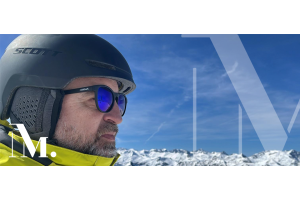
Winter sports such as skiing, snowboarding or ice skating expose people to extreme conditions of light reflected off snow and ice. The combination of higher altitudes, more intense UV rays and reflection from the snow can be dangerous for your eyes if you don't wear the right protection. Mountain weather can also be unpredictable, so the right sunglasses also act as extra protection against wind and possible eye injuries.
The benefits of sunglasses in winter
Sunglasses in winter are not just a matter of style; they are essential protection to keep your eyes healthy all year round. Here are some of the main benefits:
-
Preventing eye diseases
Continuous exposure to UV rays can damage the retina, cause cataracts and macular degeneration and increase the risk of eye cancer. These problems are not limited to summer, and the damage can build up over the years if the right precautions are not taken. -
Greater visual comfort
By reducing glare, sunglasses improve your ability to see in difficult conditions, such as when the sun reflects off snow or water. This is especially important if you drive in winter, as it lets you see more clearly and safely. -
Better protection against eye strain
Wearing sunglasses also prevents eye strain, a common problem on cloudy days or when there is a lot of reflected light. Sunglasses help reduce the pressure on your eyes, especially when you work or do outdoor activities for long periods. -
Comfort and style
As well as being functional, sunglasses add extra style to your winter outfit. They are an essential piece to complete your look, keeping you protected and fashionable while preventing winter conditions from affecting your eyes.
What features should sunglasses have for winter?
Not all sunglasses are the same, so it is important to choose the right ones for winter conditions. Here are the most important features to look for in sunglasses for winter:
-
100% UV protection
Make sure your sunglasses offer complete protection against UVA and UVB rays. This is essential to block radiation that can damage your eyes even on cold, cloudy days. -
Polarized lenses
Polarized lenses are ideal for preventing glare and light reflecting off surfaces such as snow, ice and water. They are especially useful for outdoor activities and winter sports. -
Tough materials
Sunglasses should be tough and durable, able to withstand extreme weather conditions without losing effectiveness or style. Look for models that offer good protection without being fragile. -
Wraparound design
Sunglasses with a wraparound design protect your eyes from UV rays and wind from the sides, keeping the cold away from your eyes. This design also offers a more comfortable and secure fit, so they don't slip during sports.
Winter sunglasses from Mhoas
At Mhoas, we understand how important it is to protect your eyes all year round. That's why we offer eco-friendly, polarized sunglasses designed to give you maximum protection in any season. Our collection combines elegance, functionality and protection, so you can enjoy all your winter activities in style and safety.
Mhoas sunglasses for winter are perfect for anyone who wants to look after their eye health while staying at the forefront of fashion. Whether you are walking around the city, doing outdoor sports or enjoying the sun on the snow, our sunglasses will protect you from UV rays and glare. And our sunglasses are an eco-friendly choice, made from sustainable materials so you can look after the planet while you look after your eyes.
Visit us and find the perfect sunglasses for every day of the year, whatever the season!