



Sports sunglasses: how to choose the best ones for cycling, running and water sports

Sports sunglasses are essential to protect your eyes from UV rays, reduce glare and give you sharp vision in every discipline. In this article, we explain how to choose the right sunglasses for different sports, such as cycling, running and water sports, so you can protect your eyes and improve your performance. Discover the eco-friendly polarized sunglasses from mhoas.com, designed to look after your vision while you look after the planet.
As well as protecting your eyes from UV rays, sports sunglasses are designed to handle the specific conditions of each sport. In outdoor sports, sun exposure is constant and reflections can be a nuisance. Polarized lenses in particular minimize glare from reflective surfaces such as water and asphalt.
1. How to choose the right sunglasses for each sport
1.1 Sunglasses for cycling
When it comes to cycling, your glasses should give you clear vision and a comfortable fit for long periods of time. Photochromic lenses are ideal because they adapt to changing light conditions, adjusting automatically to sunshine or shade along the way. A wide field of vision is also essential to avoid blind spots and improve control on climbs and bends. A light, snug frame is crucial to keep your glasses in place, even on the toughest rides.
1.2 Sunglasses for running
For runners, glasses should be light, comfortable and non-slip. Polarized lenses are an excellent choice, as they eliminate glare and improve visibility on sunny roads or reflective surfaces. The frame should be ventilated to prevent fogging, and a wraparound design will help protect your eyes from dust, wind and other elements. A firm, secure fit keeps your glasses in place with every stride.
1.3 Sunglasses for water sports
In water sports such as kayaking, swimming or surfing, it is essential to have sunglasses with polarized lenses that block reflections on the surface of the water and protect your eyes from UV rays. The glasses should be made from materials resistant to salt water and chlorine to ensure they last in extreme conditions. Floating frames are a big advantage if they fall into the water, while adjustable straps give a more secure fit during water activities.
2. Types of lenses and what they do in each sport
2.1 Lens tints
- Grey and brown: They reduce brightness while keeping natural contrast, which is useful in sunny conditions.
- Yellow and orange: Perfect for sport on cloudy or low-light days, as they improve contrast and depth perception.
2.2 Polarized lenses
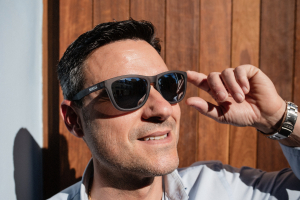
Polarized lenses are especially useful for eliminating reflections and improving vision on surfaces such as water or asphalt. The sunglasses from mhoas.com feature polarized lenses that offer sharp vision and extra protection.
2.3 Mirrored lenses
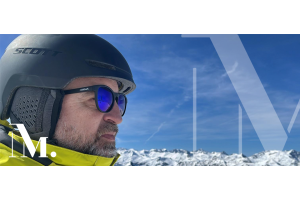
They are ideal for activities in extremely bright light, such as high in the mountains or on open water. These lenses reflect a large amount of light, protecting your eyes and reducing eye strain.
3. Eco-friendly materials in sports sunglasses
The sunglasses from mhoas.com are made from sustainable, environmentally friendly materials, such as recycled plastics and biodegradable components. This reduces their environmental impact, offering an eco-friendly, high-quality option for conscious consumers.
4. Tips for looking after your sports sunglasses
4.1 Clean them regularly
Use a microfiber cloth to avoid scratches and remove dust or sweat.
4.2 Keep them in a case
Protect your glasses when you are not wearing them to avoid damage to the lenses and frame.
4.3 Avoid harsh chemicals
Strong cleaning products can damage the lens coating. Only use products designed for optical lenses.
5. Conclusion
Choosing the right sports sunglasses can make all the difference to protecting your eyes and to your performance. With a range of specialized lenses and frames, Mhoas sunglasses are the best choice for combining sustainability, design and quality. Improve your performance and enjoy every activity knowing that you are protecting your eyes and looking after the planet.