




What makes sunglasses sustainable? The key requirements
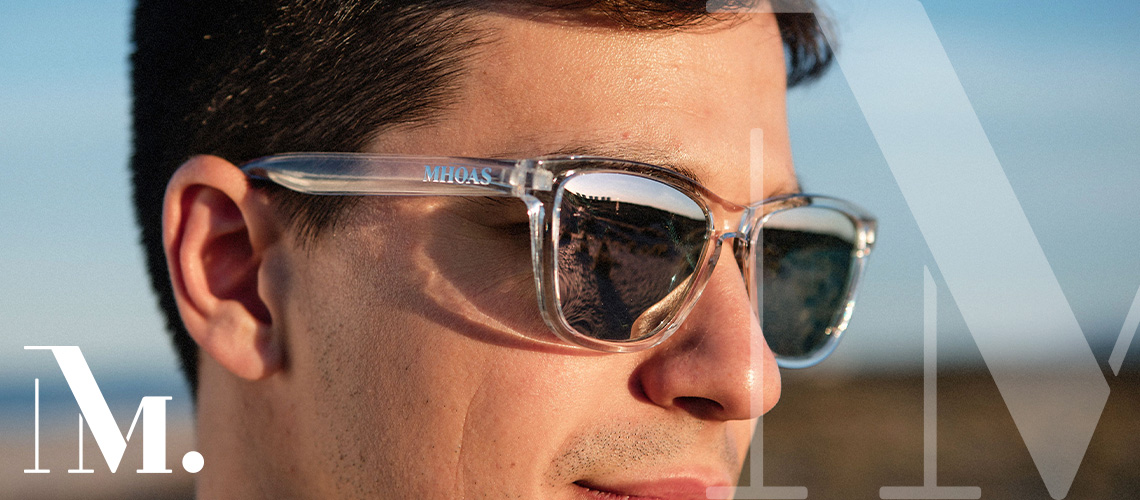
Today, sustainability is a growing priority for conscious, responsible consumers. When it comes to choosing products that are not only functional but also environmentally friendly, sustainable sunglasses stand out as an excellent option. In this article, we look in detail at the key requirements sunglasses must meet to be considered sustainable, benefiting both the planet and society.
Use of recycled materials
One of the cornerstones of making sustainable sunglasses is the use of recycled materials. This includes recycled plastics, metals and other components that reduce the need to extract new natural resources. Using these materials not only lowers the environmental impact but also supports the circular economy, where products at the end of their life are fed back into the production cycle.
FSC-certified wood
Wood used in frames should come from sustainably managed forests certified by the Forest Stewardship Council (FSC). This certification guarantees that the wood comes from responsible sources, promoting the conservation of ecosystems and biodiversity. It also supports the local communities that depend on these forests for their livelihoods.
Biodegradable plastics
Biodegradable plastics and bioplastics, made from renewable sources such as corn or sugar, are another key option for sustainability. These materials break down more easily than conventional plastics, reducing the build-up of waste and pollution in the environment.
Responsible production processes
Low-carbon production
Sustainable sunglasses should be made in facilities that minimize carbon emissions. This can be achieved by using renewable energy, such as solar or wind power, and energy-efficient technologies. Factories should also adopt clean production practices that reduce air and water pollution.
Waste reduction and recycling
During production, it is crucial to minimize waste and recycle leftover materials wherever possible. Factories should run internal recycling programs and efficient waste management practices. This not only helps conserve natural resources but also reduces production costs.
Fair working conditions
Sustainability is not only about the environment, it is also about social responsibility. Sustainable sunglasses should be made under fair working conditions, with decent wages, reasonable hours and a safe working environment for employees. Companies should commit to international labor standards and respect human rights throughout their supply chain.
Durability and quality
High resistance and durability
Sustainable sunglasses should be durable and of high quality. This not only extends the product's life but also reduces the need for frequent replacements, cutting resource consumption and waste. Frames should resist impacts and deformation, and lenses should keep their integrity and clarity over time.
High-protection lenses
Lenses should offer strong protection against UV rays, keeping the wearer's eyes safe. They should also be made from scratch- and impact-resistant materials to extend their life. High-quality lenses not only protect the eyes but also improve the visual experience by reducing glare and enhancing contrast.
Eco-friendly packaging
Recycled and recyclable packaging materials
Sunglasses packaging should be sustainable, using recycled and recyclable materials. This includes recycled cardboard boxes, recycled paper labels and reusable cloth pouches instead of single-use plastics. Eco-friendly packaging not only reduces waste but also communicates a message of environmental responsibility to consumers.
Less packaging
As well as using sustainable materials, it is important to reduce the amount of packaging. Minimalist designs that properly protect the glasses without unnecessary extra materials are the way to go. Less packaging means fewer resources used and less waste generated, which is essential for sustainability.
Certifications and transparency
Environmental certifications
Sustainable sunglasses should carry recognized certifications that back up their environmental commitment. These include FSC for wood, ISO 14001 for environmental management and Cradle to Cradle for recyclable products. These certifications provide a guarantee that the product meets high sustainability standards.
Supply chain transparency
Transparency is key to sustainability. Manufacturers should be open about their production practices, the materials they use and their working conditions. This allows consumers to make informed decisions and support truly sustainable brands. Transparency also builds customer trust and loyalty, which benefits companies too.
Innovation and education
Research and development
Sustainability is a constantly evolving field, and companies need to invest in research and development to keep improving their products and processes. This can include developing new sustainable materials, improving energy efficiency and adopting cleaner production technologies.
Consumer education
Brands should educate consumers about why sustainability matters and how their products contribute to a greener future. This can be done through marketing campaigns, information on their website and product labeling. Consumer education not only raises environmental awareness but also drives demand for sustainable products.
Final thoughts on sustainable sunglasses
Sustainability in sunglasses is an all-round commitment that covers everything from the materials used to production processes and working conditions. By choosing sustainable sunglasses, you are not only protecting your eyes but also helping to preserve the environment and supporting the well-being of the communities involved in making them.
At Mhoas, we are proud to offer sunglasses that meet these requirements. Our strengths include:
Recycled ocean materials: We use 100% recycled ocean plastic, which helps clean up our oceans and reduces the need for new plastic.
BPA-free: Our sunglasses are made without bisphenol A, guaranteeing a product that is safe for both your health and the environment.
High quality and durability: Our frames are tough and long-lasting, designed to withstand everyday use and extend the product's life.
Polarized TAC lenses: They provide clear, glare-free vision, improving your visual experience and protecting your eyes from UV rays.
Eco-friendly packaging: We use recycled and recyclable materials for our packaging, minimizing our environmental impact.
Innovation and sustainability: We are dedicated to research and development to keep improving our products and processes, promoting conscious and responsible fashion.
Choosing Mhoas means choosing a solution that protects your eyes and contributes to cleaner oceans, in line with the circular economy, and shows that it is possible to combine business success with environmental responsibility. With every purchase, you take a step towards a cleaner future, supporting our mission to make a positive difference for the planet.
By following these principles, Mhoas sustainable sunglasses not only fulfill their role of protecting your eyes but also make a positive difference in the world. The combination of recycled materials, responsible production processes, high quality and eco-friendly packaging creates a product that benefits everyone. As more consumers choose sustainable options, the industry as a whole can move towards a more environmentally friendly future.